Contact UsDMCA policyAbout UsPrivacy PolicyTerms of UseDisclaimerCookie Policy
Trending

Coronavirus symptoms: Seven signs you have
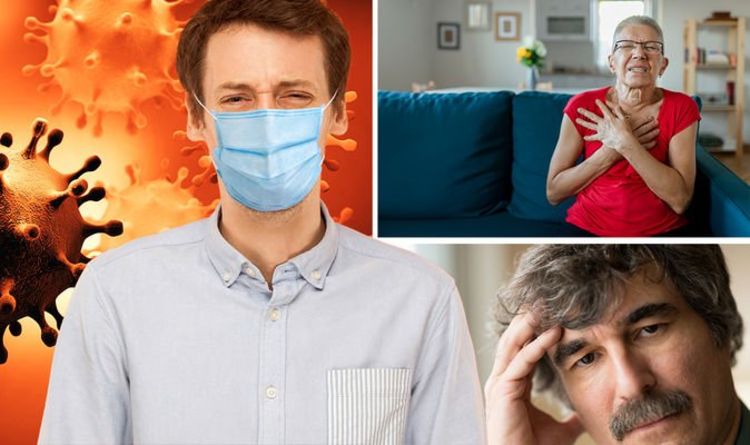
Coronavirus symptoms: Seven signs you have


Coronavirus has been the scourge of 2020 and the ramifications of it will outlive the arrival of the much-anticipated vaccines. There will be many persistent traces of the virus, from the economic toll to the loss of liberty. The effects of the virus itself will linger long into 2021 and perhaps beyond.

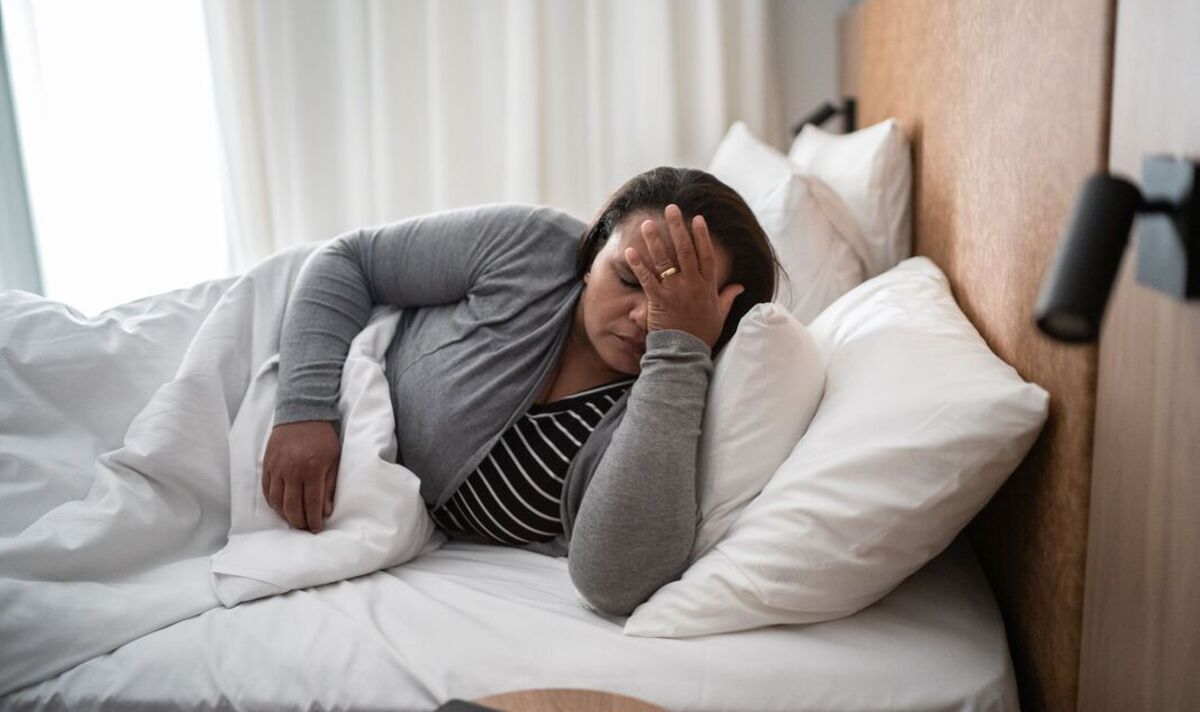
The analysis also found that it’s possible to predict who is likely to develop long Covid based on the very earliest signs of their illness.

The more different symptoms a person experienced within the first week of illness, the more likely they were to develop long Covid.

Using this together with age, gender and body mass index meant the researchers could accurately predict who is most at risk of developing long-term symptoms.

Overall, the team found that while most people with COVID-19 reported being back to normal in 11 days or less, around one in seven (13.3 percent, 558 users) had symptoms lasting for at least four weeks, with around one in 20 (4.5 percent, 189 users) staying ill for eight weeks and one in fifty (2.3 percent, 95 users) suffering for longer than 12 weeks.

Extrapolating out to the general UK population, which has a different age and gender makeup compared with the COVID Symptom Study app users, the team estimated that around one in seven (14.5 percent) of people with symptomatic COVID-19 would be ill for at least four weeks, one in 20 (5.1 percent) for eight weeks and one in 45 (2.2 percent) for 12 weeks or more.

The researchers also discovered that older people are much more likely to get long Covid than younger people, although it does occur across all ages.

Long Covid affects around 10 percent of 18-49 year olds who become unwell with COVID-19, rising to 22 percent of over 70s.

Weight also plays a role, with people developing long COVID having a slightly higher average BMI than those with short Covid.

Can it be treated?

There is currently no specific treatment for coronavirus (COVID-19), but you can often ease the symptoms at home until you recover.

According to the NHS, if you’re feeling breathless – a long Covid symptom – it can help to keep your room cool.

Try turning the heating down or opening a window. Do not use a fan as it may spread the virus.

You could also try:

Related Posts

Why do I have cramps but no period? The 5 signs you have a…

Los mercados de seguros de salud reabrieron. Esto es lo que…

Heart attack: Snoring and sleep apnoea could indicate your…

El discurso anti inmigrante complica la vacunación contra…

1 of 476


Stay connected with us on social media platform for instant update click here to join our ????️????️ Twitter, & Facebook

We are now on Telegram. Click here to join our channel (@TechiUpdate) and stay updated with the latest Health headlines.

For all the latest Health News Click Here 

For the latest news and updates, follow us on Google News. 

Also, if you like our efforts, consider sharing this story with your friends, this will encourage us to bring more exciting updates for you. 

Source

CategoryHealth

Related News