Contact UsDMCA policyAbout UsPrivacy PolicyTerms of UseDisclaimerCookie Policy
Trending

Covid latest: Cholesterol is the key factor for severe covid infections says latest study
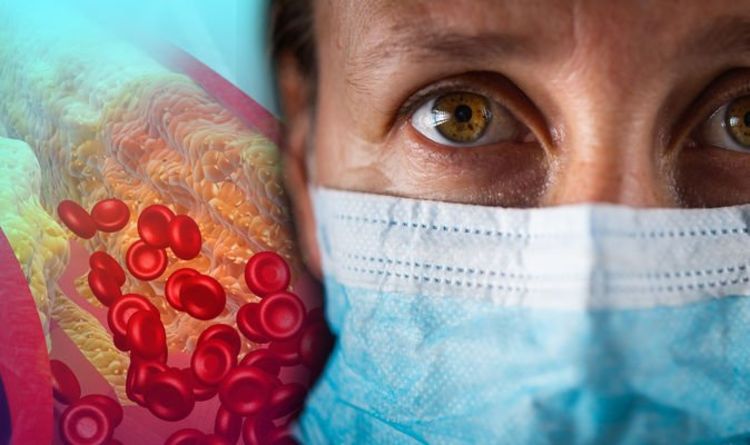
Covid latest: Cholesterol is the key factor for severe covid infections says latest study


The novel coronavirus has been known to affect people in a number of different ways with some experiencing a severe infection and others not. Now, a recent study suggests the amount of cholesterol a person is carrying may be the key factor into the severity of COVID-19 infection.

“We find that the S1 subunit of SARS-2-S binds to cholesterol and possibly to HDL components to enhance viral uptake in vitro.

“Our findings reveal that B type 1 acts as a host factor that promotes SARS-CoV-2 entry and may help explain viral tropism, identify a possible molecular connection between COVID-19 and lipoprotein metabolism, and highlight B type 1 as a potential therapeutic target to interfere with SARS-CoV-2 infection.

“B type 1 is a cell-surface HDL receptor that mediates the selective uptake of cholesteryl esters and other lipid components of receptor-bound HDL particle.”


The study concluded that the SARS-CoV-2 S protein binds to cholesterol and HDL enhances the entry of SARS-CoV-2 through SARS-2-S1 protein

The researchers then discovered that by blocking B type 1 and neutralising it, this inhibits infection.

They say that targeting the B type 1 receptor could be a potential avenue for future treatments.

Researchers wrote of this discovery and said: “The results of our study demonstrate that SR-B1 facilitates SARS-CoV-2 cellular attachment, entry and infection.

“Thus, the B type 1 might represent a therapeutic target to limit SARS-CoV-2 infection.”

In another study which was published in the US National Library of Medicine National Institutes of Health, the human scavenger receptor class B type 1 as a novel candidate receptor for the hepatitis C virus was investigated.

The study noted: “The low density lipoprotein (LDL) receptor has been shown to mediate HCV internalization via binding to virus associated LDL particles, a phenomenon common to many viruses that, like HCV, belong to the Flaviviridae family.

“We have identified the receptor responsible for E2 binding to human hepatic cells as the human scavenger receptor class B type I (SR-BI).

“E2–SR-BI interaction is very selective since neither mouse SR-BI nor the closely related human scavenger receptor CD36, were able to bind E2.”

The study further indicated the potential power of B type 1 in helping to reduce the risk of the coronavirus attaching to cholesterol and therefor reducing the severity of an infection.

Related Posts

Why Biden Has a Chance to Cut Deals With Red State Holdouts…

Hay fever warning: ‘Pollen bomb on the way’…

Prominent Scientists Call on CDC to Better Protect Workers…

1 of 632


Stay connected with us on social media platform for instant update click here to join our ????️????️ Twitter, & Facebook

We are now on Telegram. Click here to join our channel (@TechiUpdate) and stay updated with the latest Health headlines.

For all the latest Health News Click Here 

For the latest news and updates, follow us on Google News. 

Also, if you like our efforts, consider sharing this story with your friends, this will encourage us to bring more exciting updates for you. 

Source

CategoryHealth

Related News