Covid latest: Study finds sore eyes most significant vision-based symptom of the virus
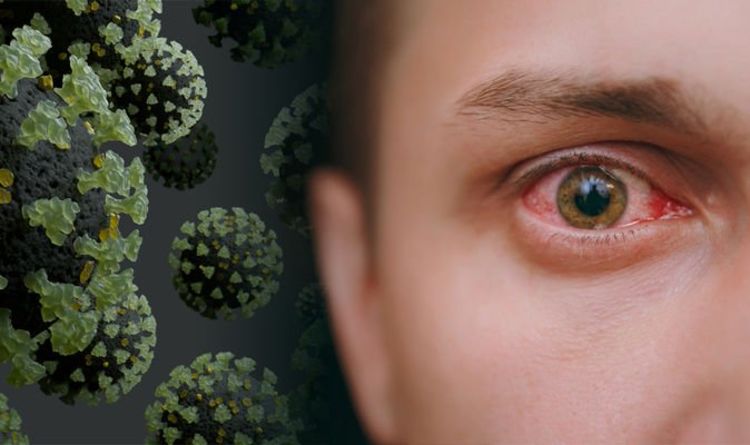
Sore eyes are the most significant vision-based indicator of COVID-19, according to new research published in the journal BMJ Open Ophthalmology. Researchers at Anglia Ruskin University (ARU) asked people who had a confirmed COVID-19 diagnosis to complete a questionnaire about their symptoms, and how those compared to before they tested positive.
Of those, 80 percent reported their eye problems lasted less than two weeks.
The most common reported symptoms overall were fatigue (suffered by 90 percent of respondents), a fever (76 percent) and a dry cough (66 percent).
Lead author Professor Shahina Pardhan, Director of the Vision and Eye Research Institute at ARU, said: “This is the first study to investigate the various eye symptoms indicative of conjunctivitis in relation to COVID-19, their time frame in relation to other well-known COVID-19 symptoms and their duration.
“While it is important that ocular symptoms are included in the list of possible COVID-19 symptoms, we argue that sore eyes should replace ‘conjunctivitis’ as it is important to differentiate from symptoms of other types of infections, such as bacterial infections, which manifest as mucous discharge or gritty eyes.
DON’T MISS
“This study is important because it helps us understand more about how COVID-19 can infect the conjunctiva and how this then allows the virus to spread through the body.”
COVID-19 may cause eye problems such as enlarged, red blood vessels, swollen eyelids, excessive watering and increased discharge, according to the Mayo Clinic.
It lists eye problems under “some of the unusual symptoms” of the virus.
A few studies have drawn a link between conjunctivitis and coronavirus.
“Your eyes are lined by mucous membranes, a thick protective fluid,” explains Optimax. “Primarily, this membrane is to stop dirt and grit from entering your body through the eyes, as well as ensuring that your eyes stay well hydrated.
“However, with COVID-19, this mucous membrane becomes an easy point of access for the virus to enter your body.
“Further to this, the virus can also spread through your tears. If your tears land on a surface, it’s important to disinfect it as COVID-19 can live outside the body (which is another way in which it spreads).
“It’s thought that the virus can live for up to 24 hours on cardboard and up to three days on plastic and stainless steel.”
To stop coronavirus spreading, the NHS advice is to stay at least two metres away from anyone you do not live with or anyone not in your support bubble.
You should also wash your hands with soap and water often, for at least 20 seconds, and wash your hands as soon as you get home.
Put used issues in the bin immediately and wash your hands after, cover your mouth and nose with a tissue or your sleeve when you cough or sneeze, wear something that covers your nose and mouth when it’s hard to stay away from people, and don’t touch eyes, nose or mouth if your hands aren’t clean.
Stay connected with us on social media platform for instant update click here to join our ????️????️ Twitter, & Facebook
We are now on Telegram. Click here to join our channel (@TechiUpdate) and stay updated with the latest Health headlines.
For all the latest Health News Click Here
For the latest news and updates, follow us on Google News.
Also, if you like our efforts, consider sharing this story with your friends, this will encourage us to bring more exciting updates for you.