Covid update: Five genes a person may have increasing their severity of infection
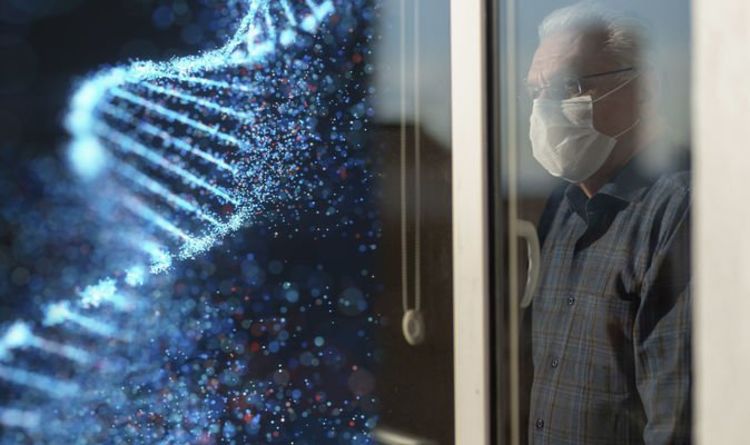
The COVID-19 pandemic has caused considerable morbidity and mortality and has resulted in the death of over a million people to date. The clinical manifestations of the disease caused by the virus have been known to vary widely in severity, ranging from no or mild symptoms to rapid progression to respiratory failure. Now scientists have discovered the five genes which a person may have signalling the severity of a COVID-19 infection.
A major study from 2,700 COVID-19 patients from 208 ICU wards gathered DNA and were able to find the genes that makes a person more likely to die from the novel coronavirus or be admitted to intensive care.
The researchers found five genes which increase a person’s severity to the virus and hope by identifying them they can become targets for drugs.
The landmark study from the University of Edinburgh gathered DNA from 208 intensive care units across the UK for their analysis.
The genetic information of these 2,700 patients was then compared to 100,000 anonymous Britons with five genes emerging as being precursors for a serious COVID infection.
READ MORE: Coronavirus symptoms: Scientists warn of a fourth key warning sign of COVID-19
The five genes found were:
TYK2
This gene encodes a member of the tyrosine kinase and, more specifically, the Janus kinases (JAKs) protein families.
The TYK2 gene creates an enzyme that can lead to inflammation.
This protein associates with the cytoplasmic domain of type I and type II cytokine receptors and promulgate cytokine signals by phosphorylating receptor subunits.
It is also a component of both the type I and type III interferon signalling pathways. As such, it may play a role in antiviral immunity.
Cytokines play pivotal roles in immunity and inflammation by regulating the survival, proliferation, differentiation, and function of immune cells, as well as cells from other organ systems.
CCR2
Targetable by drugs that are in trials but are not widely used, for psoriasis.
Evidence for this gene is not as strong as for other genes in the study, but Dr Baillie says it is still ‘compelling’.
OAS1
Is a gene that initiates a signal that activates an enzyme which degrades RNA derived from viruses.
Several other coronaviruses have a way of preventing this mechanism. No evidence yet for SARS-CoV-2, but it might be a specific feature that does this.
Targetable by a class of drugs called phosphodiesterase 12 inhibitors.
These are not currently in clinical trials but theoretically would enhance the antiviral effect of this system.
IFNAR2
This is a core part of signalling that is responsible to the host antiviral response.
Signalling in this pathway is important in the chance of getting sick.
Relevant in fighting the virus directly, much like OAS1. This is more important early in the disease as later in the disease, virus levels drop, and the issue comes from the body’s immune system attacking itself.
DPP9
Known to play several roles in inflammation but the researchers do not yet know exactly where it fits into the Covid-19 disease progression.
They are therefore unable to make a direct therapeutic prediction.
It is associated with pulmonary fibrosis and might be associated with ‘long covid’.
Stay connected with us on social media platform for instant update click here to join our ????️????️ Twitter, & Facebook
We are now on Telegram. Click here to join our channel (@TechiUpdate) and stay updated with the latest Health headlines.
For all the latest Health News Click Here
For the latest news and updates, follow us on Google News.
Also, if you like our efforts, consider sharing this story with your friends, this will encourage us to bring more exciting updates for you.