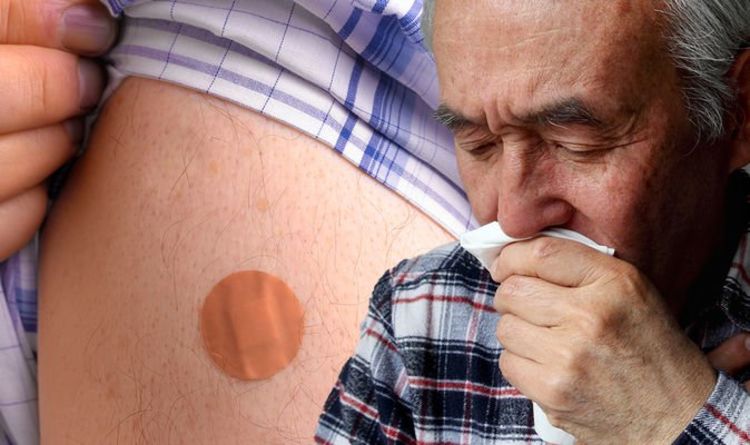
The coronavirus vaccines deal two decisive blows against COVID-19, both of which are linked. Firstly, they reduce the severity of the disease in people that catch it and this in turn makes the virus less transmissible. However, the vaccines do not stop you from catching COVID-19.
What’s more, people catching COVID-19 post-vaccination have reported a particular symptom not seen in people unvaccinated with the viral disease.
According to new data published by the ZOE COVID Symptom Study app – the world’s largest ongoing study of COVID-19 – sneezing more than usual can be a sign of COVID-19 but only in people who’ve been vaccinated.
As the study team explained, sneezing is not normally a symptom of COVID-19, and much more likely to be a sign of a regular cold or allergy.
“Even though many people with COVID-19 might sneeze, it’s not a definitive symptom because sneezing is so common, especially in the warmer months where people might experience hay fever,” the research team said.
READ MORE: How to reduce risk of severe COVID-19 infection – the diet proven to offer protection
However, the study app data shows that people who had been vaccinated and then tested positive for COVID-19 were more likely to report sneezing as a symptom compared with those without a jab.
This suggests that sneezing a lot with no explanation after you’ve been vaccinated could be a sign of COVID-19.
“However, it’s important to remember that the link between sneezing and COVID-19 isn’t very strong so you should stay alert to the 20 symptoms of the disease, whether or not you’ve been vaccinated,” the app researchers advised.
Symptoms include:
High temperature (fever)
Chills or shivers
Persistent cough
Loss or change in smell (anosmia)
Loss or change in taste (dysgeusia)
Headache
Unusual tiredness (fatigue)
Sore throat
Sudden confusion (delirium), especially in older people
Skin rash
Changes in the mouth or tongue (COVID tongue)
Red and sore fingers or toes (COVID fingers/toes)
Shortness of breath
Chest pains
Muscle pains
Hoarse voice
Diarrhoea
Skipping meals
Abdominal pains
Runny nose.
DON’T MISS High cholesterol: Three symptoms in eyes[INSIGHT] Heart attack: Warning signs in your hands[ADVICE] Delta variant: Two signs you’ve caught it[TIPS]
How to respond to sneezing post-vaccination
“If you’ve been vaccinated and start sneezing a lot without an explanation, you should stay home and get a COVID test, especially if you are living or working around people who are at greater risk from the disease,” advised the COVID Symptom Study app researchers.
Right now, you can only get an NHS COVID test if you have a cough, fever or loss of smell.
But you can get a test through the ZOE COVID Symptom Study if you log any of the known symptoms in the app.
Sneezing a lot could also be a potential sign that someone vaccinated has COVID-19 and, however mild, should take a test and self-isolate to protect their friends, family and colleagues.
According to the NHS, you must self-isolate again even if you’ve had a positive test result for COVID-19 before.
“You probably have some immunity to the virus but it’s not clear how long it lasts,” notes the health body.
You should also get vaccinated with a coronavirus vaccine if you’re eligible.
COVID-19 vaccines are currently being offered to people aged 18 and over.
Stay connected with us on social media platform for instant update click here to join our Twitter, & Facebook
Denial of responsibility!TechAzi is an automatic aggregator around the global media. All the content are available free on Internet. We have just arranged it in one platform for educational purpose only. In each content, the hyperlink to the primary source is specified. All trademarks belong to their rightful owners, all materials to their authors. If you are the owner of the content and do not want us to publish your materials on our website, please contact us by email – [email protected]. The content will be deleted within 24 hours.