How to sleep: Signs of bruxism and what you can do about it
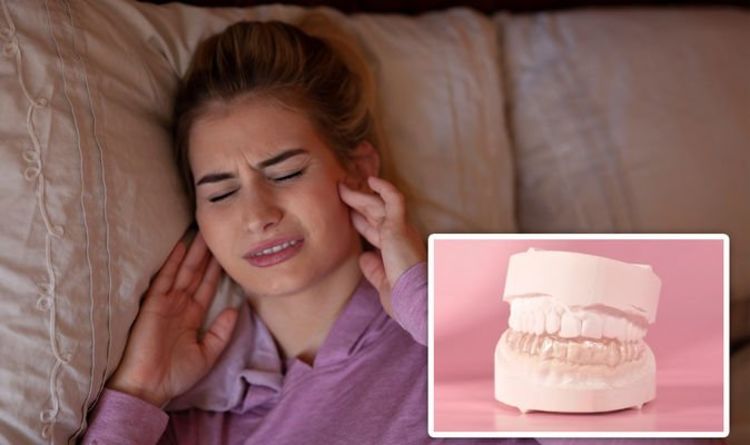
Has your bed partner (if you have one) grumbled over your teeth grinding at night? Bruxism is associated with a sleep disorder too, but which one? And how can you treat it?
The Bruxism Association noted facial myalgia (muscle pain), ear ache, as well as tightness and stiffness of the shoulders could be symptoms of bruxism.
Oral signs include abnormal tooth wear, fracture of the teeth, inflammation and recession of the gums and premature loss of teeth.
It’s estimated that people who have bruxism are “three times more likely to suffer [from] headaches”.