Naomi Osaka exposes sports' mental-health risks with French Open exit
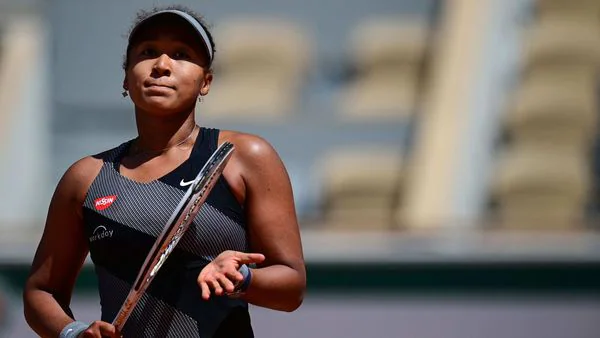
The dispute between the second-ranked women’s tennis player and tournament officials over mandatory press appearances has dominated headlines in recent days. At the same time, Osaka’s frank explanation of her challenges has put the spotlight on a seldom-discussed issue among athletes of her caliber. “The truth is that I have suffered long bouts of depression since the U.S. Open in 2018,” Osaka, 23, wrote in a post on Twitter.
An estimated one-third of athletes suffer at some point from a mental-health crisis that manifests as depression and anxiety, eating disorders and burnout, according to studies cited by academics and the International Olympic Committee. Psychological well-being is also an important social issue in Osaka’s home country of Japan, which has the second-highest suicide rate among the Group of Seven nations, after the U.S., and where there’s also a movement to bring more awareness about to mental health in sports.
“An athlete’s mental-health needs are just as important as their physical-health needs,” said Rosemary Purcell, a professor at the Centre for Youth Mental Health at the University of Melbourne and co-author of a 2019 study into the issue among elite athletes.
There’s “been an explosion” in research over the past decade, Purcell said. There’s often a public assumption that physical strength and ability is matched by mental strength, which isn’t necessarily true, she added. Athletes, especially those competing professionally and at the top of their sport, don’t usually have a chance to lead normal social lives, all while facing intense scrutiny and pressure.
In 2019, the IOC embarked on a campaign to raise awareness, citing public disclosures by U.S. medalist Michael Phelps about his struggles with depression after winning gold medals in London in 2012, and struggles by other prominent athletes. The Olympic Committee has established a Mental Health Working Group, in order to better identify athletes at risk for mental health symptoms and disorders.
For the upcoming Olympics in Tokyo, as well the Winter Games in Beijing next year, the IOC has established a helpline, available to athletes in more than 80 languages, to support them before and after the tournaments. Right now, conditions can be even tougher for athletes in the pandemic era, which is making it harder to train and has caused a one-year delay to the Tokyo Olympics from last year, the group said.