Parkinson's disease: 'Game-changing' skin swab could diagnose the condition
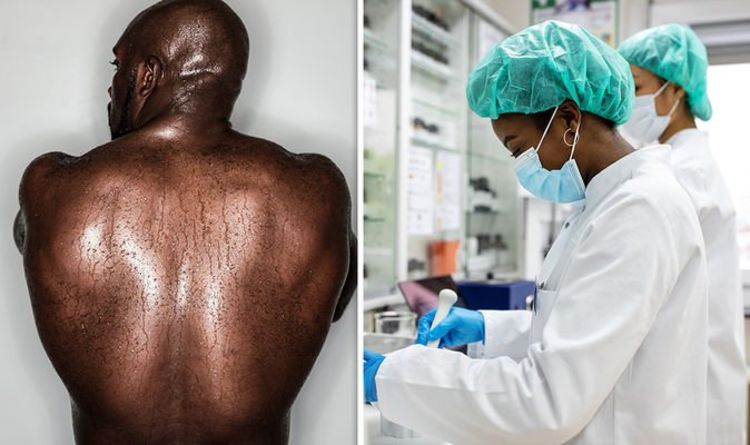
Scientists from the University of Manchester found that it’s possible to identify Parkinson’s based on the compounds found on the skin. Here are the details. The clinical lead at Salford Royal Foundation Trust, Professor Monty Silverdale, recruited 500 people with and without Parkinson’s for the research. Samples of sebum – the oily substance that coats and protects the skin – were taken from their upper backs for analysis.
Utilising different mass spectrometry methods, 10 chemical compounds in sebum were identified that were either elevated or reduced in those with the disease.
Scientists were then able to distinguish those with Parkinson’s with an 85 percent accuracy.
Detailed analysis demonstrated that Parkinson’s showed up in lipid fat processing and the mitochondria.
“Problems with mitochondria – the tiny energy-producing batteries that power cells – are one of the hallmarks of Parkinson’s,” the research noted.
READ MORE: Dementia: The ‘first’ symptom of dementia may not be memory loss