Personal Allowance to rise as HMRC makes changes in 2021 - what does this mean for you?
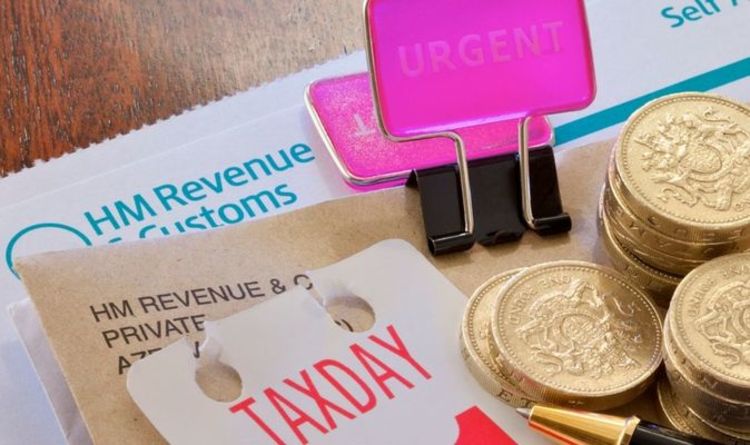
Personal Allowance is a threshold set by HMRC which relates to Income Tax a person must pay, and is therefore important to millions of people. Above a set level of Personal Allowance, tax must be paid relevant to the amount a person earns. Income Tax is likely to differ when it comes to salaries and types of employees, and some income, of course, is tax-free.
However, the rate at which Personal Allowance is set will affect many, as it determines what they will have to pay tax on.
At present, the standard rate of Personal Allowance is set at £12,500, which will apply to most people.
It is worth bearing in mind, however, this rate may change dependent on certain circumstances.
If a person has an income over £100,000, their Personal Allowance will be a smaller sum.
READ MORE: Universal Credit: Payment will change in 2021 – but uplift due to end
In the 2021/22 tax year, Income Tax Personal Allowance, alongside Higher Rate Threshold, will increase in line with the September Consumer Price Index (CPI) figure.
CPI is otherwise known as inflation, which means people can expect an increase to Personal Allowance of 0.5 percent.
The new tax year is scheduled to start on April 6, 2021, meaning an increase to Personal Allowance is just months away.
The government also stated the inflation figure will be used to set National Insurance limits and thresholds, alongside Class Two and Three National Insurance contributions for the new tax year.
But it is evidently important to understand how Britons and their taxes will be impacted by a Personal Allowance change.
From the new tax year, the Personal Allowance rate will rise to £12,570, which will have an impact on Income Tax bands going forward.
At present, the basic rate of Income Tax refers to taxable income between £12,501 to £50,000.
Within this band, tax is set at a rate of 20 percent, which is important to bear in mind.
When taxable income increases, it will jump up into the higher rate band, between £50,001 and £150,000.
Individuals to whom this applies will also be required to navigate a higher tax rate of 40 percent.
Taxable income of over £150,000 will have a tax rate of 45 percent, but there are also important rules for this group of people to bear in mid.
Britons with a taxable income of over £100,000 can expect to lose £1 of their Personal Allowance per every £2 of income above the limit.
Stay connected with us on social media platform for instant update click here to join our 👉️👉️ Twitter, & Facebook
We are now on Telegram. Click here to join our channel (@TechiUpdate) and stay updated with the latest Business headlines.
For all the latest Business News Click Here
For the latest news and updates, follow us on Google News.
Also, if you like our efforts, consider sharing this story with your friends, this will encourage us to bring more exciting updates for you.