Ransomware is the IRS of Bitcoin
If this sounds wacky, bear with me. Before getting into the full explanation, we need a brief tour of theories of money. The most widely accepted is that money was created because early humans found it so inconvenient to barter with pigs, llamas or berries. It would be much easier to swap my llamas for widely accepted items—cowrie shells, fancy feather boas or carved stones—and then swap those items again for grain than it would be to find someone with grain who happened to want llamas.
Money was also a means of accounting for debts; easier still than using cowrie shells would be to take the grain now, get some notches on a tally stick, and later provide llamas, or grain, or whatever was promised to pay off the debt.
The first of these theories focuses on money as a means of exchange, an area where bitcoin has floundered because of the cost and hassle required to actually buy something in bitcoin. Only when its anonymity and international nature help enough to offset these disadvantages, such as in evading money-laundering laws, taxes and capital controls, is it much used. The rest of bitcoin trading is speculation and exchange arbitrage.
The second theory focuses on money’s role as a unit of account, an area where bitcoin hasn’t had any success so far. Even in El Salvador, where bitcoin is being made legal tender, stuff will still be priced first in dollars, then translated into bitcoin for anyone paying in crypto.
A third theory is increasingly popular thanks to Modern Monetary Theory, and puts the IRS front and center. One of the founding principles of MMT is chartalism, the idea that money has value because we have to pay our taxes in it. The government issues paper (or mints coins) and because it demands that we return certain amounts of that currency every year, we have to acquire it. Put another way: Fiat dollars are backed by the IRS, which has men and women with guns at its disposal.
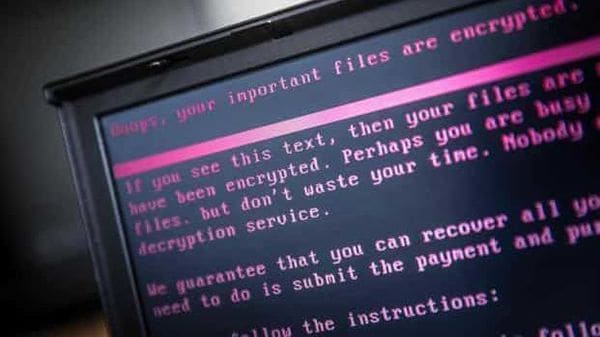
Cryptocurrency buyers often cite the free-spending ways of MMTers on the left of the Democratic Party as a reason to dump dollars, but the theory also supports the idea that bitcoin is backed by ransomware. Think of the ransomware that encodes your hard drive and demands payment in bitcoin as the crypto version of a tax demand and IRS enforcement wrapped up together.