Stroke: Four risk factors for a hemorrhagic stroke - bleeding in or on the brain
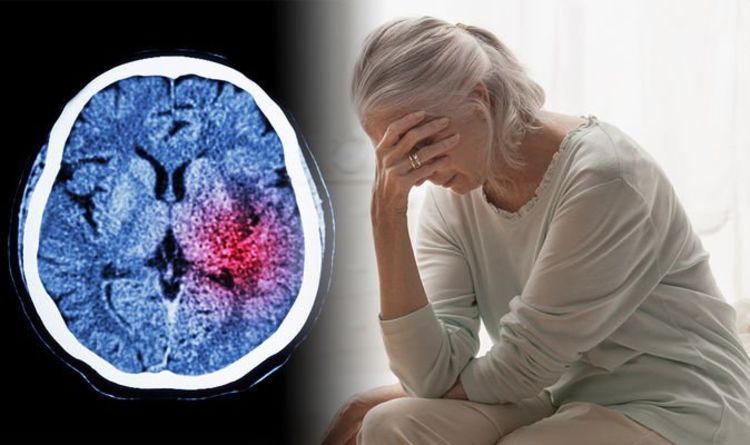
There are two types of haemorrhage strokes – intracerebral and subarachnoid haemorrhage – depending on whether the bleed takes places inside the brain or on the surface of the brain, retrospectively. Yet, they both share the same risk factors.
The Stroke Association further explained the difference between intracerebral and subarachnoid haemorrhage.
An intracerebral haemorrhage occurs when an artery bursts within the brain; this causes bleeding within the brain.
A subarachnoid haemorrhage happens “when an artery on the surface of the brain bursts, causing bleeding into the fluid-filled space between the brain and skull”.
One other risk factor is the use of illegal drugs, such as cocaine, which can irritate blood vessel walls.
Usage of this substance can make the artery walls weaker and more likely to rupture.
Any signs of a stroke is a medical emergency, as quicker treatment improves the chances of a recovery.
Act FAST
Ask yourself these following questions to identify a person having a stroke…
- Face: Can the person smile? Has their face fallen on one side?
- Arms: Can the person raise both arms and keep them there?
- Speech problems: Can the person speak clearly and understand what you say? Is their speech slurred?
- Time: If you see ANY of these three signs, call 999 immediately and request an ambulance.
There are other symptoms of a stroke that need to be taken seriously; and these include:
- Sudden weakness or numbness on one side of the body, including legs, hands or feet.
- Difficulty finding words or speaking in clear sentences.
- Sudden blurred vision or loss of sight in one or both eyes.
- Sudden memory loss or confusion, and dizziness or a sudden fall.
- A sudden, severe headache.
To reduce your risk of a stroke, it’d make sense to keep your blood pressure under control, avoid illicit drug use, don’t smoke and have regular health check-ups.
It’ll also help to “cut down on alcohol”, drinking no more than 14 units per week, and spreading the units over the week.
In addition, try to stay a healthy weight as obesity can raise your risk of a stroke.
Even being overweight can raise the risk of high blood pressure and type 2 diabetes.
Both of these conditions have been linked to stroke, so loose weight if needs this.
This can be done by being as physically active as you can and eating a healthy, balanced diet.
Stay connected with us on social media platform for instant update click here to join our ????️????️ Twitter, & Facebook
We are now on Telegram. Click here to join our channel (@TechiUpdate) and stay updated with the latest Health headlines.
For all the latest Health News Click Here
For the latest news and updates, follow us on Google News.
Also, if you like our efforts, consider sharing this story with your friends, this will encourage us to bring more exciting updates for you.