Where Have You Gone, Dustin Pedroia?
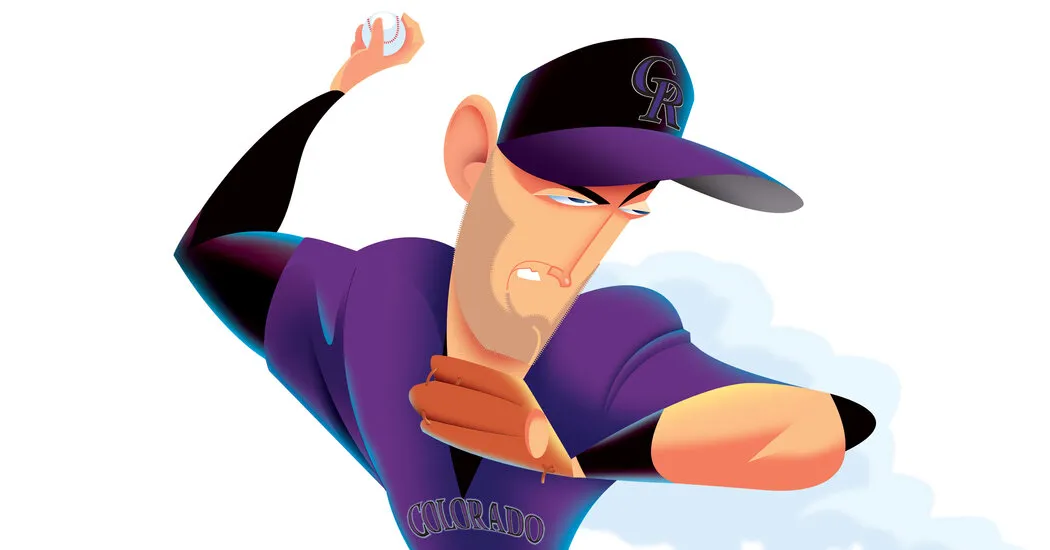
When the Milwaukee Brewers traded for third baseman Mike Moustakas (6 feet, 225 pounds) at the 2018 trade deadline, they moved Travis Shaw (6-4, 230) from third to second. A year later, they put Moustakas there for 47 games. Neither Shaw nor Moustakas previously had played a single inning of pro ball at second.
“As an industry, we’re beginning to recognize you don’t need to look a certain way to play a specific position,” said David Stearns, the Brewers’ president of baseball operations.
In Colorado, the early reviews of McMahon’s fielding were decidedly mixed.
McMahon’s Baseball America scouting report before the 2018 season noted that, while he’s physically large for second base, McMahon “impressed the Rockies with how he adapted to the position, although opposing scouts are less convinced.”
As the 2021 season begins its second half on Thursday, however, McMahon’s seven defensive runs saved at second base are tied with Marcus Semien of the Toronto Blue Jays and David Fletcher of the Los Angeles Angels for the major league lead. That is despite McMahon’s spending half his time at third base. Add his six D.R.S. at third, and McMahon has been the most valuable fielder in the majors.
While McMahon turned into a fielding success story, the evolution of second base has also opened up options for good hitters who don’t have a natural position.