False widow outbreak: How to spot false widows and what to do if you get bitten
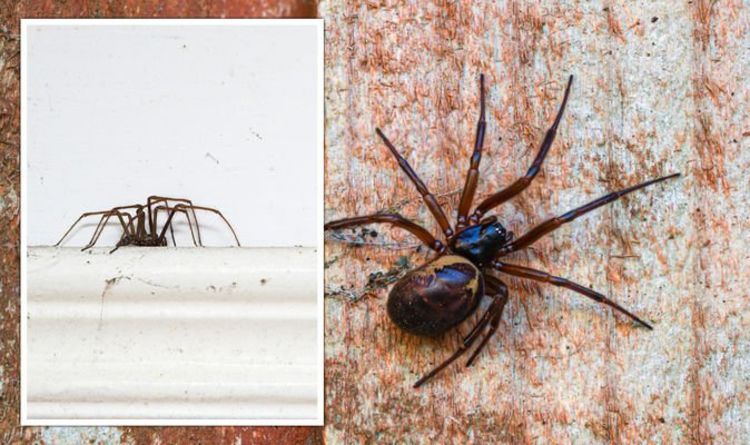
More and more false widows are taking up home in the UK. But how scared should you be of these arachnid ex-pats? And what should you do if you get bitten by one?
Last week two schools in Northampton had to close due to sightings of false widow spiders.
After spotting the scary spiders, pupils were evacuated until the outbreak can be confirmed and if so, dealt with.
Some called the move by the schools ‘scaremongering’ because false widows are not considered dangerous to humans.
But what do false widows look like, and what should you do if you encounter them?
READ MORE: What are the five biggest spiders in the world?
False widows get their name because of their likeness to a far more dangerous spider, the black widow.
Luckily, sightings of black widow spiders in Britain are extremely rare.
There are three species of false widow found in the UK, and they are normally located in southern England.
The three species found in the UK are:
- the rabbit hutch spider (Steatoda bipunctata)
- the cupboard spider (Steatoda grossa)
- the noble false widow (Steatoda nobilis)
Rabbit hutches and cupboards don’t sound too scary, do they?
Do false widow spiders bite?
False widow spiders have been known to bite humans, but it’s not too serious, and they aren’t doing it on purpose.
Speaking to the BBC, Dr John Tweddle from the Natural History Museum, London, said: “It is not an aggressive species towards humans and is most likely to bite when accidentally prodded or squashed, or trapped in clothing.”
False widow bites are pretty much indistinguishable from any other insect bite, or sting.
It’s likely to leave a small hard lump and a red sore area.
The old saying goes ‘they’re more scared of you, than you are of them’, and that’s particularly true for false widows.
If you leave them plenty of space, they’ll probably scuttle away to get on with spider stuff.
In fact, they eat flying insects, so a false widow is likely to eat any aphids or flies you get in your home.
If you think you’ve been bitten by a false widow, make sure to clean the area to avoid the chance of becoming infected.
If you have antiseptic or bite cream, this can help reduce the swelling.
However, for the most part, false widows are nothing to worry about and should stay well out of your way.
Stay connected with us on social media platform for instant update click here to join our Twitter, & Facebook
We are now on Telegram. Click here to join our channel (@TechiUpdate) and stay updated with the latest Technology headlines.
For all the latest Life Style News Click Here
For the latest news and updates, follow us on Google News.