Manhattan District Attorney Candidate Tali Farhadian Weinstein Would Be the First Woman and Immigrant to Hold the Position
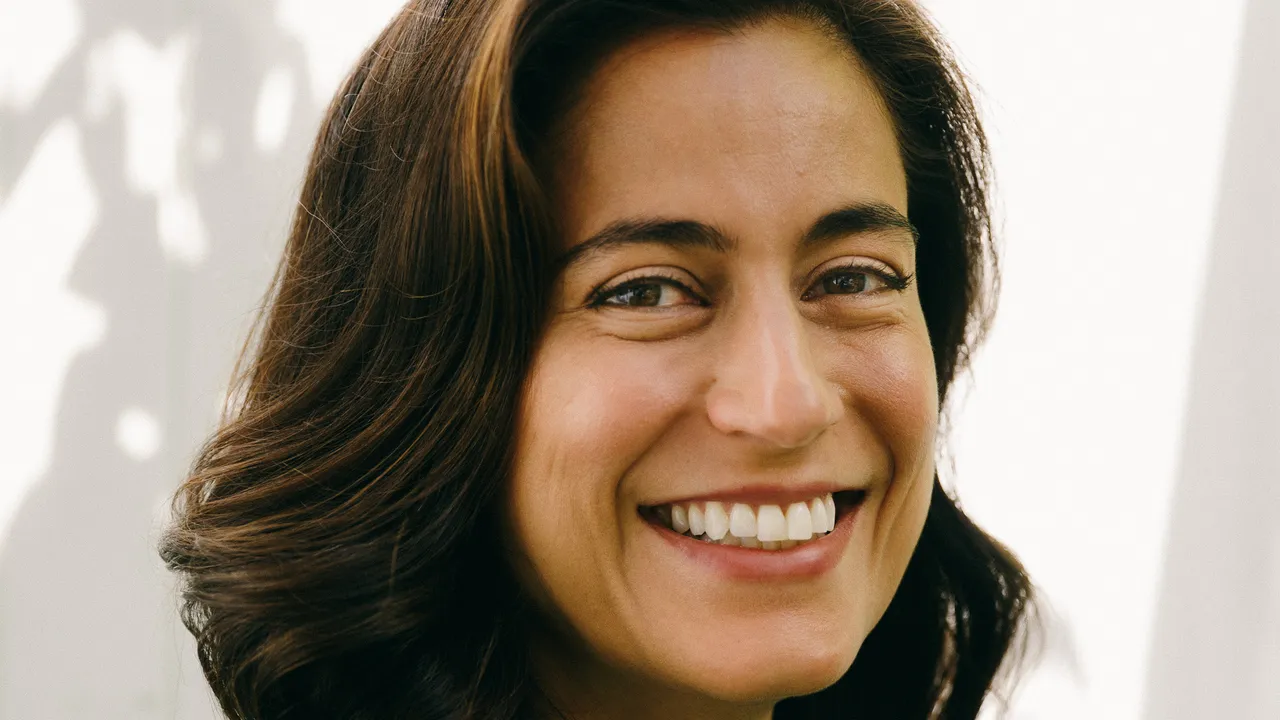
Before she was a Rhodes Scholar, a Supreme Court clerk for Sandra Day O’Connor, or counsel to Obama administration Attorney General Eric Holder, Tali Farhadian Weinstein was a nine year old girl piling into her parents’ wood-paneled station wagon. The Farhadians took weekend drives from their home in Old Tappan, New Jersey, as a form of free entertainment. On one such day trip, the family pulled up to Yale University and Fardhadian Weinstein remembers her mother, Farah, telling her: “You can go here if you want.”
It was an “insane” statement, Farhadian Weinstein says on a recent roasting Monday at the former doggie day care on New York’s Upper West Side where her campaign for Manhattan district attorney is now headquartered. “I don’t think that their joint income could have paid for one person to go to Yale.” Farah was—still is—a high school math teacher; Farhadian Weinstein’s father, Nasser Dan, is a retired engineer. But limitations—financial or otherwise—didn’t hamper their sense of possibility. According to Farhadian Weinstein: “It’s an attitude.”
The Farhadians, a Jewish family of four, fled virulent anti-Semitism in Iran in the thick of the Islamic Revolution, arriving at New York’s JFK Airport on Christmas Eve 1979—Farah with pots, pans, and scant toys in her luggage. A dubious officer, working for the Immigration and Naturalization Service, questioned their tourist visas but ultimately allowed Farah, Tali, and her younger brother, Leeor, temporary entry; their father had come earlier to find work. (A years-long bid for asylum followed, with pro bono help from the Hebrew Immigrant Aid Society.) Farhadian Weinstein was only four years old—she remembers little except for the disorienting feeling of not speaking or understanding English, “like landing on another planet.”
The experience shaped her outlook, years later, as a law student, as general counsel for Brooklyn district attorney Eric Gonzalez and, now, as a leading candidate for Manhattan D.A.: “A focus of the Jewish tradition is to identify with strangers, to remember that you are a stranger,” Farhadian Weinstein told me, sipping iced coffee in a navy linen suit while sitting among boxes of campaign materials. (Farhadian Weinstein changed her last name when she married Boaz Weinstein, a hedge fund founder, in 2010.) Her own refugee story would later stand in stark contrast to what was experienced by many during the Trump-era (and pre-Trump-era) immigration crackdowns. “I’m not any better than the millions of people who have been turned away in the exact same circumstance,” she said. In a 2019 New York Times op-ed, Farhadian Weinstein wrote about a “life and career made possible because the law was not enforced against me,” an abiding example of the balance between the literal “letter of the law,” she wrote, “and the spirit of the law.”
A similar tension—how to be a progressive and still be a prosecutor—is at the heart of Farhadian Weinstein’s bid for Manhattan D.A., a local law-enforcement post that routinely draws international attention when defendants such as Harvey Weinstein or the late Jeffrey Epstein fall under its purview. The winner of the current race could inherit the Manhattan D.A.’s most high-profile case ever: that of Donald Trump, whose business practices are currently under grand jury investigation by the office.