Inside the Fight for Old-Growth Forests at British Columbia’s Fairy Creek
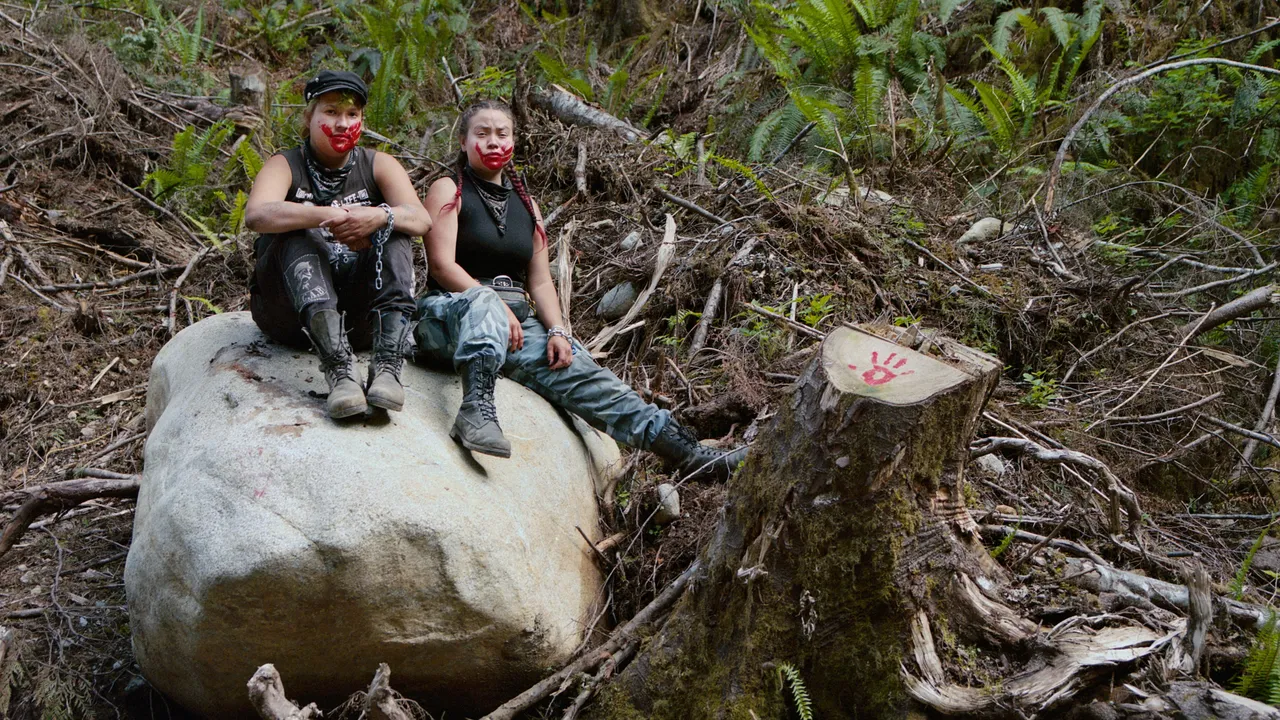
Protesters, who prefer to be called forest defenders, first moved into the Fairy Creek area in August last year, to prevent logging company Teal Jones Group from cutting the ancient trees. After the forestry company obtained a court injunction in April, meaning protesters could be arrested, blockades spread across access points to the Fairy Creek and Central Walbran areas and the number of people camping out in the forest grew exponentially. Dozens of protestors keep continuous watch over the blockades, but the crowd has swelled up to an estimated 2,000 people over the weekends.
Protestors have included members of Pacheedaht, Dididaht and Huu-ay-aht First Nations, who were fighting for a deferral on logging to give them time to create their own forest stewardship plans. The province agreed to a two-year deferral on about 2,000 hectares of old-growth, though that has not persuaded protesters to leave. Most say they are planning to stay until there is a moratorium on all old-growth logging in the province.
Government figures show 13.7 million hectares of old growth in B.C., but conservation groups point out that much of that is scrub or alpine forests, not giant trees that can grow up to 250 feet in the valleys.
A panel of independent scientists found last year that the massive trees of B.C. are on the brink of extinction and described the ecosystems as the “white rhino of old growth forests.”
Jens Wieting, Sierra Club B.C.’s forest and climate campaigner, says less than 500,000 hectares of old growth with big trees remain in the province, which amounts to less than 1% of B.C.’s forests. “We are losing a legacy and all the environmental services that these forests provide for community and human health,” he adds.