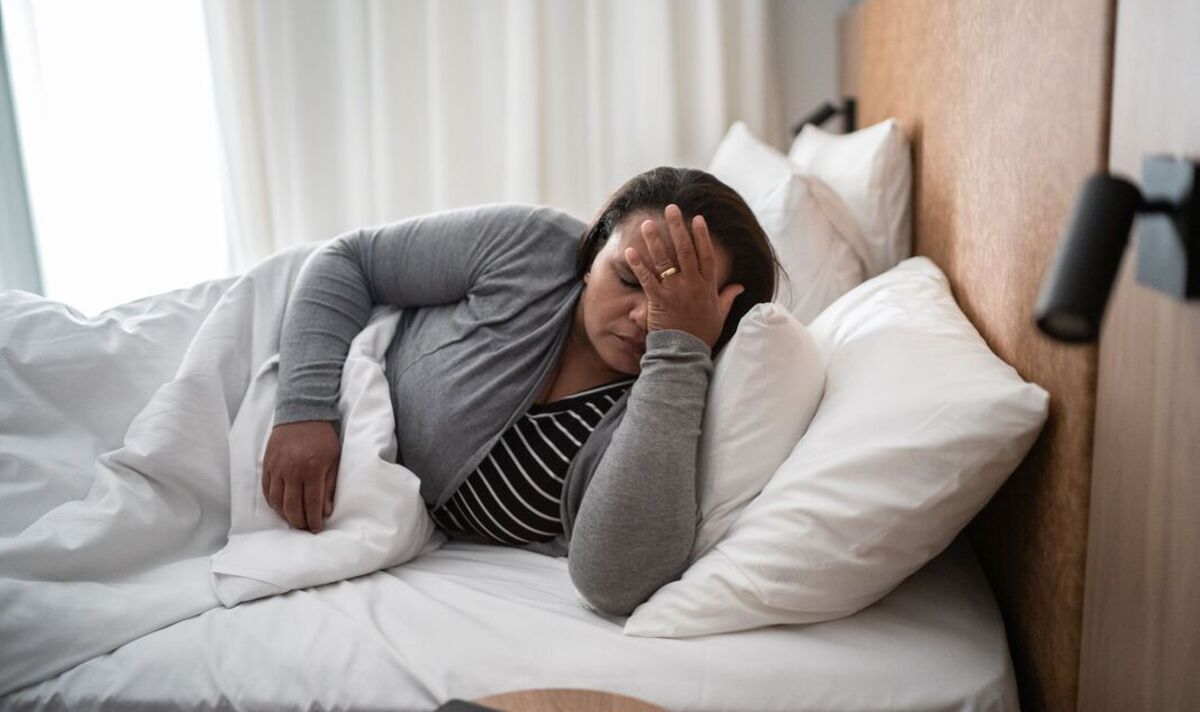
How to beat stress - the clever technology that instantly relieves stress

It’s normal to feel stressed sometimes or as a response to a difficult situation, but being stressed most of the time or to a debilitating degree is not healthy. There are things you can try that may help such as starting therapy, breathing exercises, and avoiding alcohol and drugs, but there might be something that could help you more quickly – a Pulsed Electromagnetic Field Therapy mat.
Stress can cause no symptoms at all, but most people experience physical, mental and behavioural symptoms.
You might have a headache, muscle tension, pain, stomach problems, chest pain, faster heartbeat, sexual problems and feel dizzy.
Sometimes stress can make it difficult to concentrate, make decisions and remember things, and make you feel overwhelmed or worried.
Stress can cause you to be irritable and snappy, eat or sleep too much or too little, drink or smoke more and feel like you want to avoid certain places or people.
READ MORE- Diabetes: The sign on your toes that blood sugar levels are high
A Pulsed Electromagnetic Field Therapy Mat could be the way forward when it comes to dealing with stress.
PEMF is not a new technology – many of the first PEMF machines originated in Eastern Europe.
Prior to the invention of the first PEMF machine, Nikola Tesla created the first magnetic loop coil, which is now used in all modern PEMF machines.
Today, they’re being used to combat anything from stress and anxiety to back pain, migraine, joint problems and bad circulation.
The NHS recommends trying the following to beat stress:
- try talking about your feelings to a friend, family member or health professional. You could also contact Samaritans, call: 116 123 or email:[email protected]if you need someone to talk to
- find out more about 10 stress busters – including getting started with exercise and setting aside time for yourself
- use easy time-management techniques to help you take control
- use calming breathing exercises
- plan ahead for stressful days or events – planning long journeys or making a list of things to remember can really help
- consider peer support, where people use their experiences to help each other. Find out more about peer support on the Mind website
- listen to free mental wellbeing audio guides
- search and download relaxation and mindfulness apps or online community apps from the NHS apps library
The NHS advice also warns:
- do not try to do everything at once – set small targets you can easily achieve
- do not focus on the things you cannot change – focus your time and energy on helping yourself feel better
- try not to tell yourself that you’re alone – most people feel stressed at some point in their life and support is available
- try not to use alcohol, cigarettes, gambling or drugs to relieve stress – these can all contribute to poor mental health
Stay connected with us on social media platform for instant update click here to join our Twitter, & Facebook
We are now on Telegram. Click here to join our channel (@TechiUpdate) and stay updated with the latest Technology headlines.
For all the latest Health News Click Here
For the latest news and updates, follow us on Google News.