These Students Made a Chatbot to Help Others Like Themselves With Stress
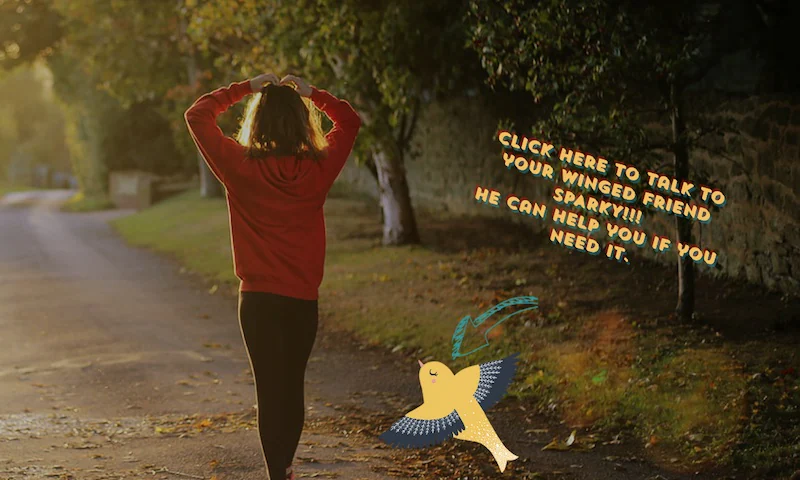
Grade 11 students from Shiv Nadar School have created a chatbot that provides a platform for teenagers to talk about mental health and the stress that they’re facing as a result of the pandemic. The chatbot is made by teens to speak to others like themselves feeling similar pressures and anxieties, and offers non-clinical support and suggests music playlists and offers advice to help. The toll of the COVID-19 pandemic on children has been clear but in India it’s still uncommon for people to seek care for their mental health, and that was one of the inspirations for the project, Spark the Spirit.
According to World Health Organisation (WHO), mental health conditions account for 16 percent of the global burden of disease and injury in people aged 10-19 years. There are numerous factors that contribute to stress during adolescence including, a desire for independence, peer pressure, exploration of sexuality, building new relationships, good grades, and more.
Parental pressure, expectations from society, the blurring lines between real life and what we see on social media are just a few of the many things that impact their mental health. Being stuck at home with life going ultimately online didn’t make things any better.
This was the motivation for a team of students at Shiv Nadar School for their annual tech event, Colloquium. The bot is hosted on the site Spark the Spirit, which was also designed by the student group. The group has five students, all from Class 11, Akshat Jain, Muskaan Chawla, Akkshansh Bagga, Yash Kataria, and Aryan Misra.
According to the group, the chatbot monitors the mood of users, helps them express their thoughts and emotions through therapeutic conversations. On visiting the website, one can sign up with Gmail or anonymously, after which, the chatbot gets to know the user by asking questions from the paediatric symptom checklist (PSC-35 checklist) and resources are suggested accordingly.
In the initial stages of the project, the team conducted surveys in their school with proper medical indexes and found one in every four teenagers showed symptoms of diagnosable anxiety. They also added a question as to whether people would like to use a device that could help them manage the day to day anxiety and learned that more than a third of the people said ‘no’ because ‘there was nothing wrong with them’.