“VR Would Ultimately Be Separate From Mobile” Says One of India’s Biggest VR Companies
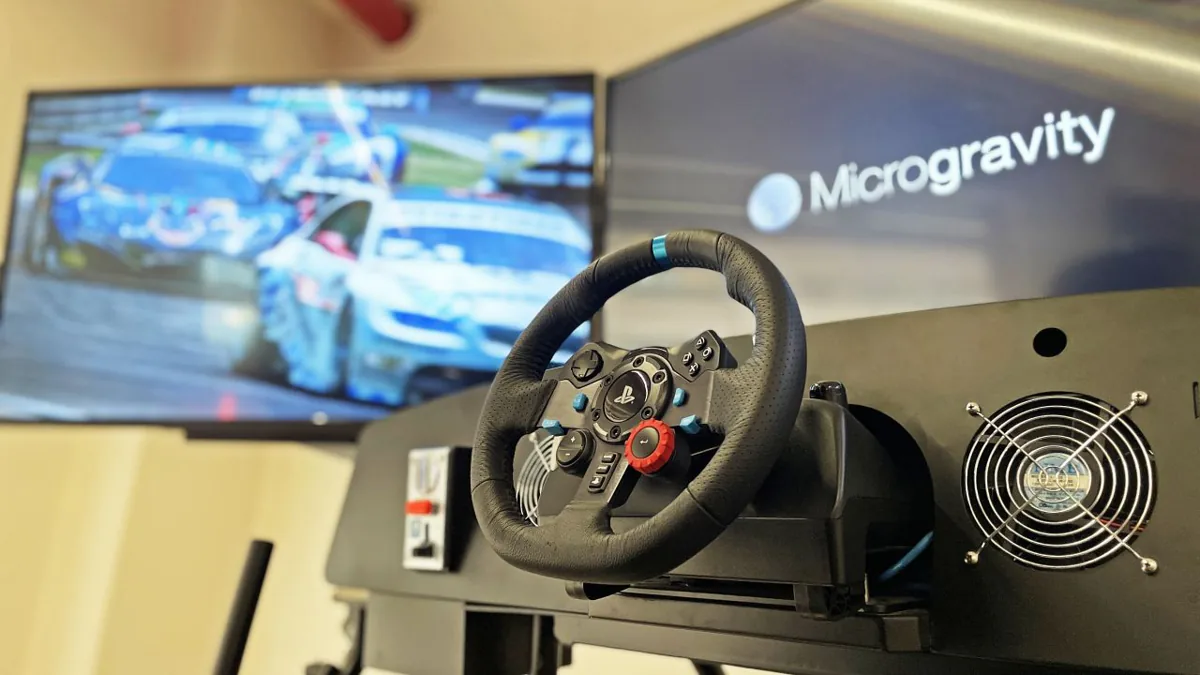
Microgravity is an Indian gaming company with a big focus on location-based entertainment. It runs a gaming arena based out of Gurgaon, Haryana, which offers over 12,000 square feet of gaming and VR experiences.
In India, VR is largely delegated to experiences that you can only experience at certain locations. Companies like Microgravity, VR GameZone, and Zero Latency have created bespoke VR gaming locations for those interested in checking it out. VR at home, however, is largely out of reach for the average consumer, owing to the lack of high-quality headsets being officially sold in the country.
With VR being the niche that it is, particularly in a country like India where mobile gaming with titles like Battlegrounds Mobile India and Free Fire occupying most gamer’s mindspace and playtime, we spoke to Microgravity’s co-founder and CEO, Rahul Bhattacharya about the future of VR, and how diversity is an important aspect to all gaming.
Could VR Go to Mobile Again?
“I think VR would ultimately be separate from mobile, but it will become less bulky, and a lot easier to use,” says Bhattacharya on whether we’ll end up seeing a resurgence in mobile companies trying their own implementations for VR again after the previous attempt back in the mid-2010s.
“A lot of development is happening, both around augmented reality as well as virtual reality, with new kinds of devices,” he continues. “What I personally see is when you look at a mobile phone, you look at it from a certain distance.”
Of course, the mobile form factor may not be well-suited for VR to begin with, with problems arising from things like pixel density in the displays, and the shape of the screens. “When you bring that screen closer to your eye to give you an immersive feeling, it needs a certain structure in terms of its shape—convex or concave—to make that image much more immersive when you’re seeing it so close to your eyes,” says Bhattacharya.