Why India should be wary of hosting the Olympics
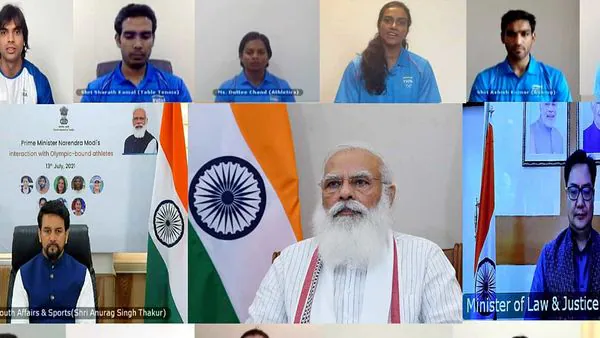
On 23 July, the 32nd edition of the Summer Olympics is scheduled to begin in Tokyo. Already deferred from last year due to the covid-19 pandemic, the event is set to take place in the shadow of the virus. Japan has spent $15.4 billion to host the event, though government audits suggest it might be twice as much.
Hosting mega sporting events has both upsides and downsides. The upside is a bump in infrastructure investments, economic activity, global profile and tourist traffic. The downside, especially for poorer nations, is the reallocation of public funds that could have been better used elsewhere. As Indian cities dream of hosting the Summer Olympics in the future, money will be a major factor.
The Summer Olympics are the largest, and most expensive, global sporting event. The last seven editions, going back to Barcelona in 1992, have incurred sporting costs of an average of $8.2 billion, according to a 2020 study by scholars from Oxford University titled ‘Regression to the Tail: Why the Olympics Blow Up’. The study finds that sporting costs in every Olympics since 1960 has run over budget, at an average of 172% in real terms. Non-sporting costs, such as costs on road, rail, airport and other infrastructure, often exceed sporting costs.
As per their agreement with the International Olympic Committee (IOC), the custodian of the Olympics, all cost overruns are incurred by cities and governments. This can severely strain their economies. For instance, the sporting cost of the 2016 Rio Olympics was $13.7 billion, a cost overrun of over 352%. This plunged an already beleaguered Brazilian economy into a severe contraction.
Taxpayer Funded
Costs incurred to host the Olympics begin with the bidding process. Host nations typically spend $50 million-$100 million in fees for consultants, event organizers and travel. Selection itself is a multi-year process that happens well in advance. For example, last month, Australian city Brisbane was unofficially declared as the host city for the 2032 Games.
Then come the Games themselves. The $15.4 billion that Tokyo is spending on the sporting side has two sources of funding. The first is the Organizing Committee of the Olympic Games (OCOG). This is formed by the host nation’s Olympic association and is the event organizer. The second is provincial and national governments, which is essentially taxpayers’ money. In Tokyo’s case, Japanese taxpayers are funding about $8.4 billion, or 57%, on the sporting side alone. This is equivalent to what the Indian government spent on health alone in 2019-20, which underscores the tradeoffs in play for developing nations.